
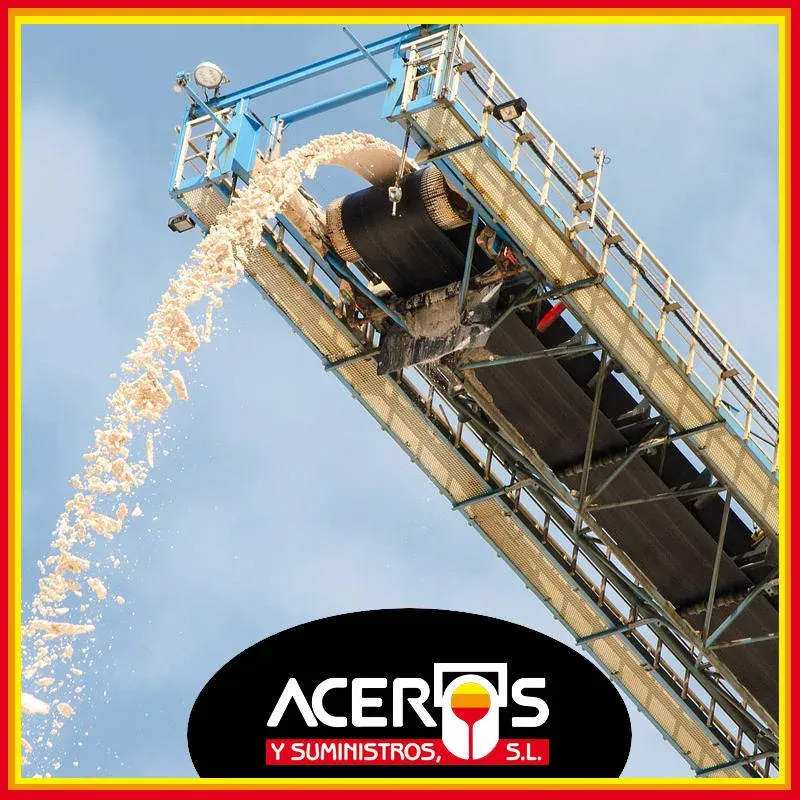
The use of ceramic composites in the mining industry, in silos, hoppers and other material handling elements.
In an environment like mining, where operating time is crucial, the use of ceramic composites ensures greater productivity and lower long-term costs, consolidating their importance in the sector
The mining industry faces extremely demanding conditions in all its processes, whether during extraction, processing or material handling. Abrasion, corrosion and mechanical impact are critical factors that deteriorate equipment and infrastructure, leading to high maintenance costs and unplanned downtime. To meet these challenges, the use of ceramic composites has emerged as an effective solution, especially in silos, hoppers and material conveying systems.
What are ceramic composites? Ceramic composites are materials made up of ceramic elements, generally including oxides, carbides, nitrides or borides, which are combined to improve specific properties such as hardness, abrasion resistance, chemical resistance and thermal stability. Their highly resistant nature makes them ideal candidates for applications where traditional metallic materials cannot withstand the adverse conditions of mining.
Benefits of Ceramic Composites in the Mining Industry
Applications in Silos and Hoppers
Silos and hoppers are critical structures in the handling and storage of large volumes of material in mining. Ceramic composites in the mining industry play a key role in lining these structures, improving their wear resistance and ensuring a continuous flow of material.
- Internal ceramic linings: One of the most common applications is the internal lining of silos and hoppers with ceramic plates. This lining helps reduce the friction and abrasion generated by the flow of material. In addition, by reducing the likelihood of blockages or material build-up on the walls, more efficient transport is ensured.
- Improved material flow: Surfaces lined with ceramic composites tend to be less adhesive, which allows better material flow and reduces the downtime caused by having to clear blockages in hoppers or silos.
- Impact resistance: In addition to abrasion, the materials in hoppers often fall from great heights, generating a significant impact. Ceramic composites, thanks to their hardness, are ideal for withstanding these forces without compromising the structure.
Material Handling
In bulk material handling operations, such as conveyor belts, screws and ducts, wear and corrosion are constant problems. Here, ceramic composites find essential applications:
- Conveyor belts: Rollers and support structures of conveyor belts lined with ceramics extend the wear life of the components and reduce maintenance stoppages due to wear. They can also be used in pulley linings to reduce slippage and improve traction in wet or muddy environments.
- Ducts and pipes: Piping systems that carry materials in powder form or liquids with abrasive particles can benefit from ceramic linings that protect the underlying metal and ensure a constant flow without blockages or abrasion damage.
- Screw conveyors: This equipment, used for handling bulk materials, also benefits from ceramic linings. The lined surfaces offer lower friction and greater resistance to the wear caused by abrasive materials such as sand, minerals and other granular solids.
Economic and Operational Advantages
The use of ceramic composites in mining has clear economic benefits. Although the initial cost of implementation may be higher than for conventional materials, the investment is quickly recovered through longer equipment wear life, lower maintenance costs and improved operating efficiency. Unplanned production stoppages are one of the biggest causes of lost revenue in mining, and ceramic composites play a key role in preventing these problems.
In addition, the durability of ceramic composites contributes to greater operational safety, since infrastructure that uses these materials tends to require fewer human interventions, reducing workers' exposure to risk.
The adoption of ceramic composites in the mining industry has revolutionized the way the challenges of wear, abrasion and corrosion are addressed in material transport and storage. With applications ranging from the lining of silos and hoppers to the improvement of conveying systems, these materials offer a unique combination of durability, efficiency and resistance to extreme conditions.
More information about Aceros y Suministros in the Mining sector