
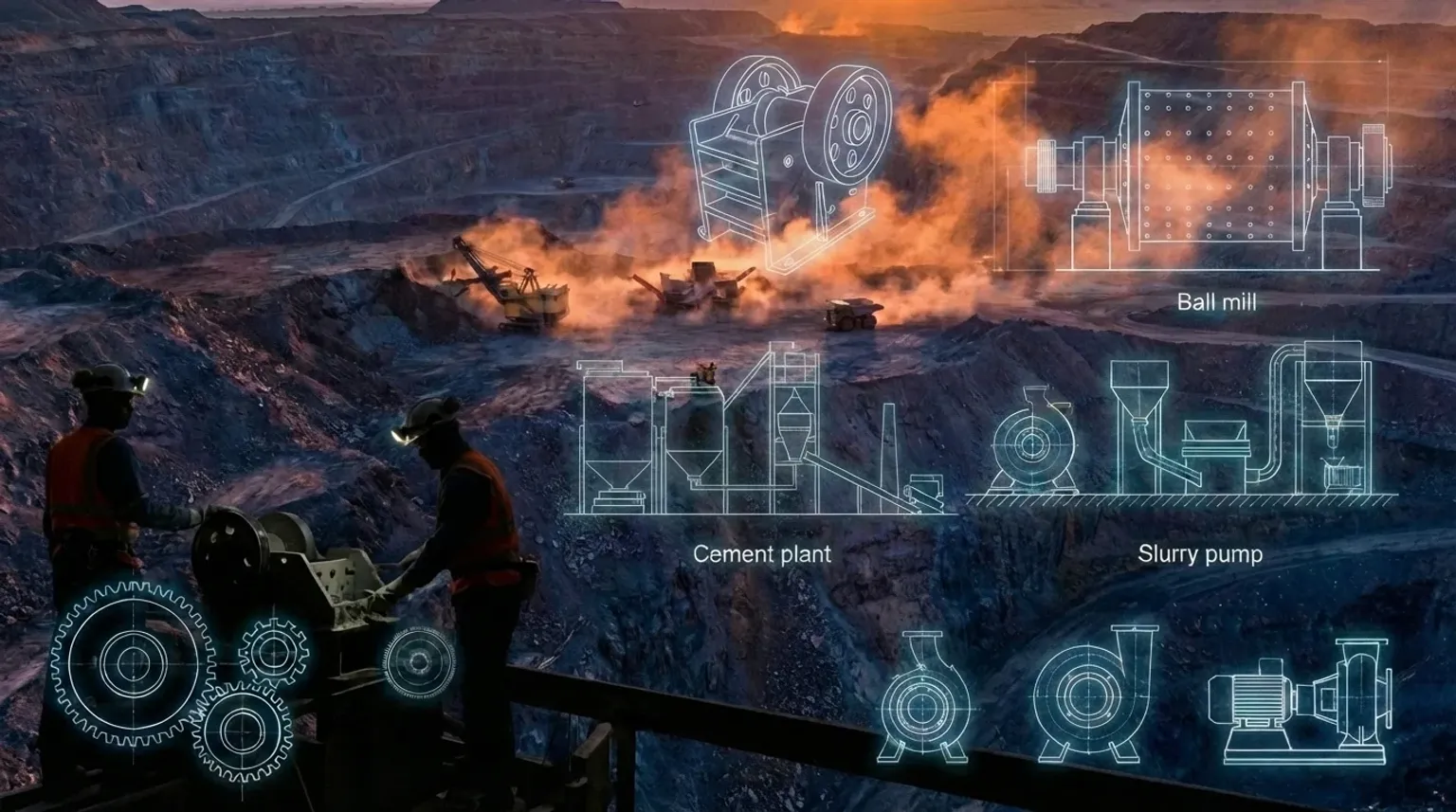
Product Range
Wear Parts and Spares for Crushers, Mills, Cement Plant and Pumps
Complete range of wear parts and spare components for crushers, grinding mills, cement plants, and slurry pumps. Engineered for maximum durability and OEM compatibility.
Crusher Wear Parts
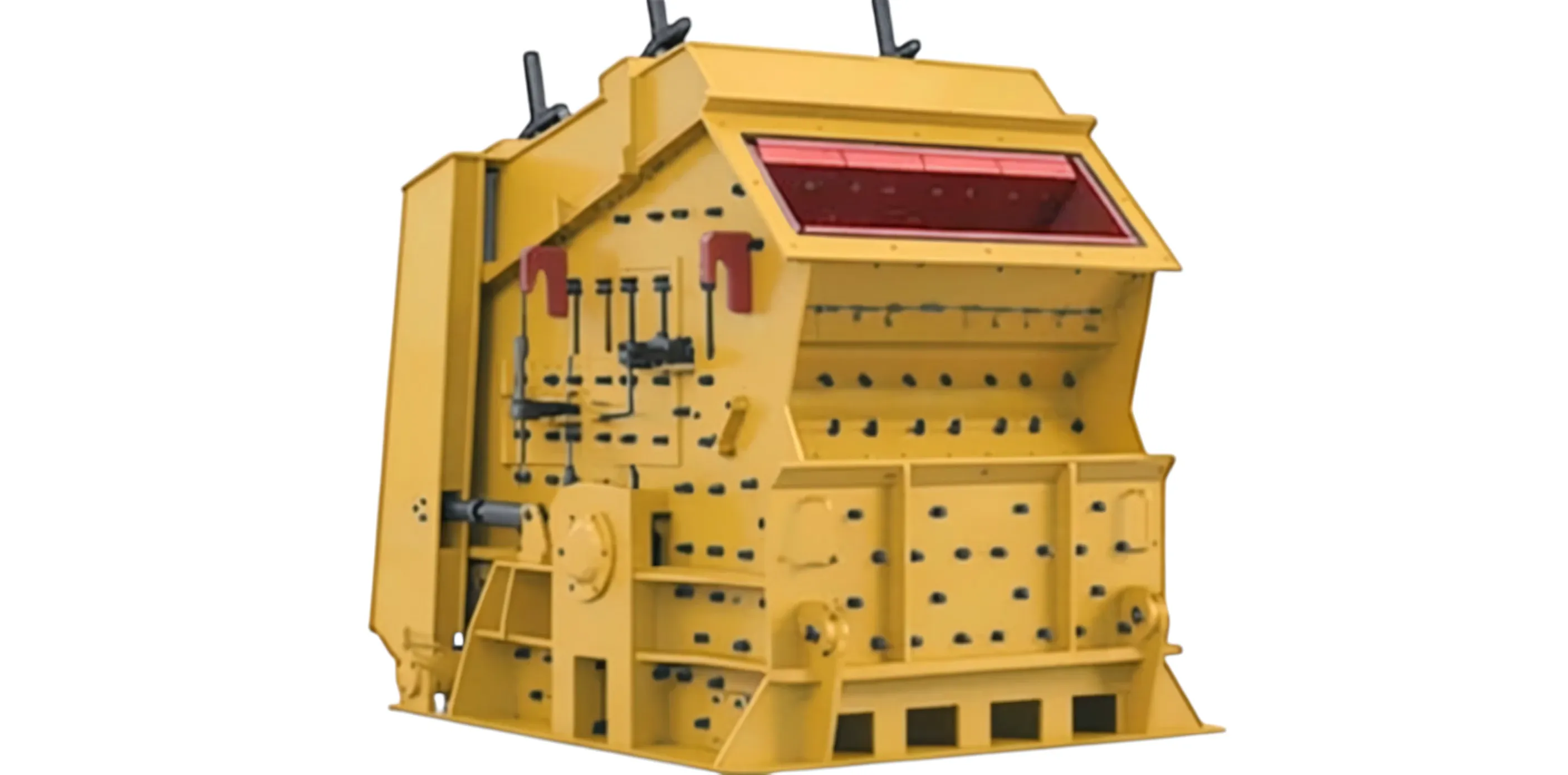
HSI Impact Crushers
High-speed impact crushing for aggregates and recycling. Blow bars, impact plates, rotors and wear components for horizontal shaft impactors.
Explore Parts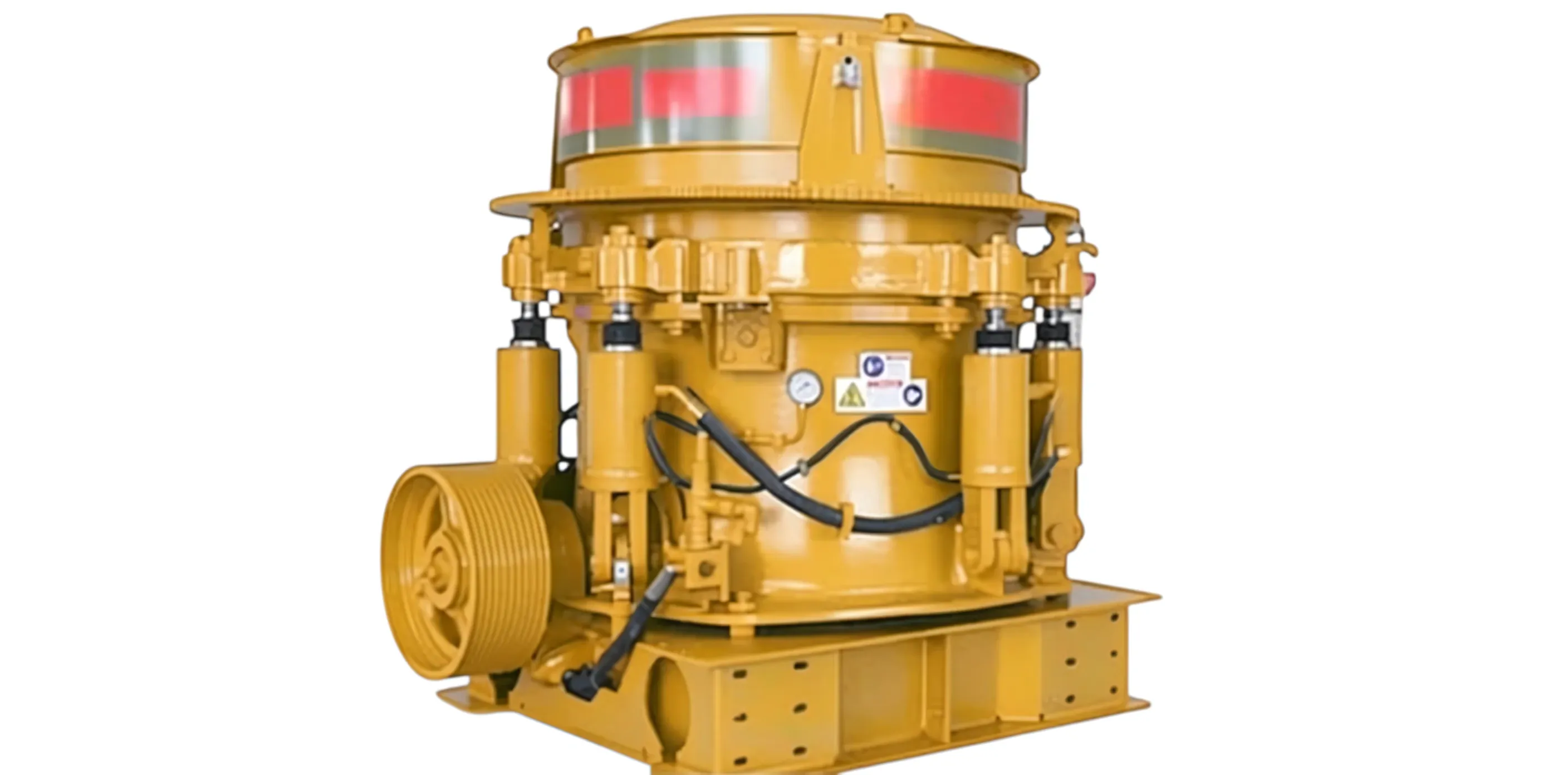
Cone Crushers
Secondary and tertiary crushing with compression force. Mantles, concaves, feed cones and precision wear parts for consistent gradation.
Explore Parts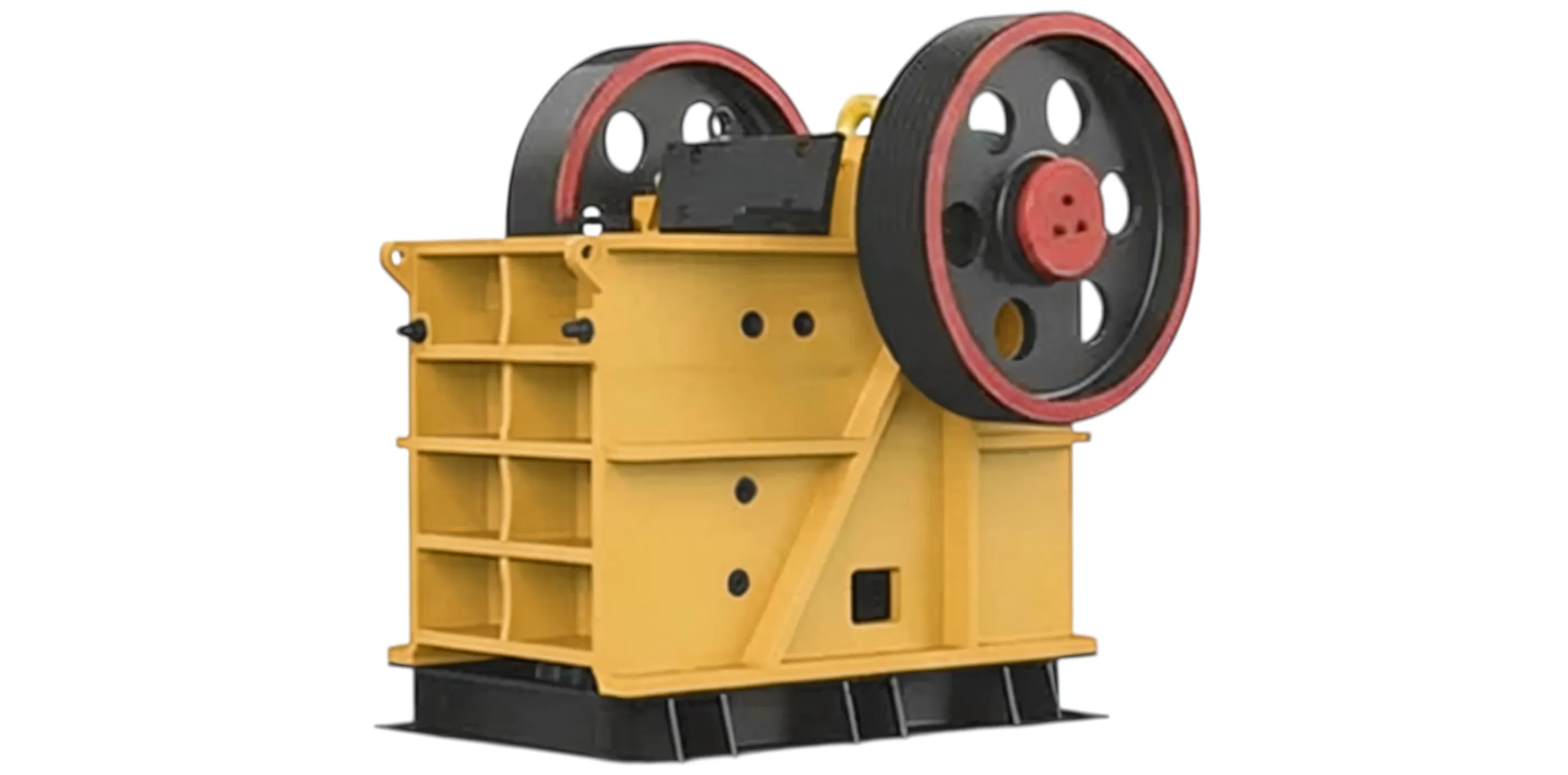
Jaw Crushers
Primary crushing for hard rock and ore. Fixed and swing jaw plates, cheek plates, and toggle assemblies for maximum throughput.
Explore Parts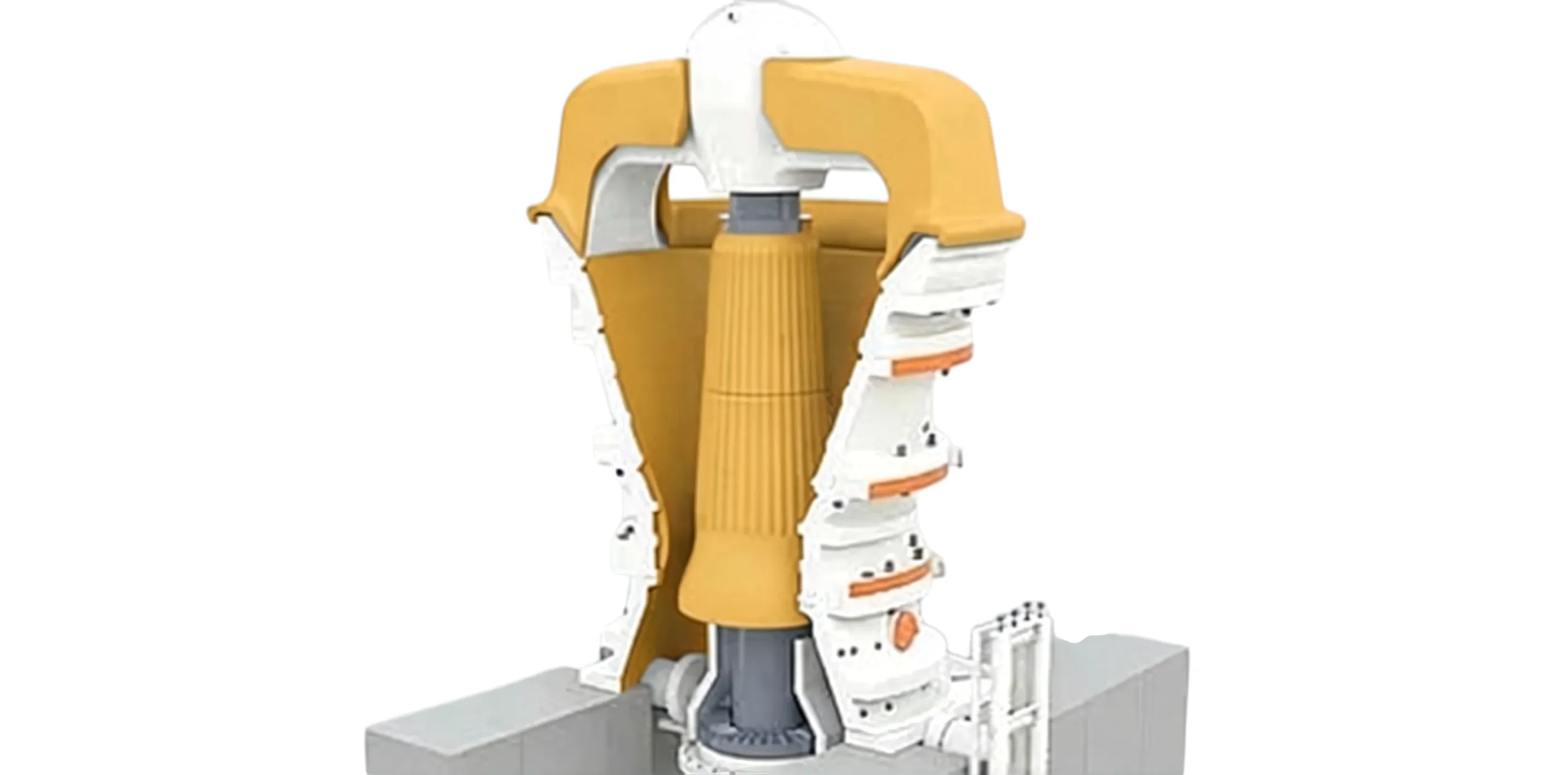
Gyratory Crushers
High-capacity primary crushing for mining. Mantle segments, concaves, spider assemblies for large-scale ore processing.
Explore Parts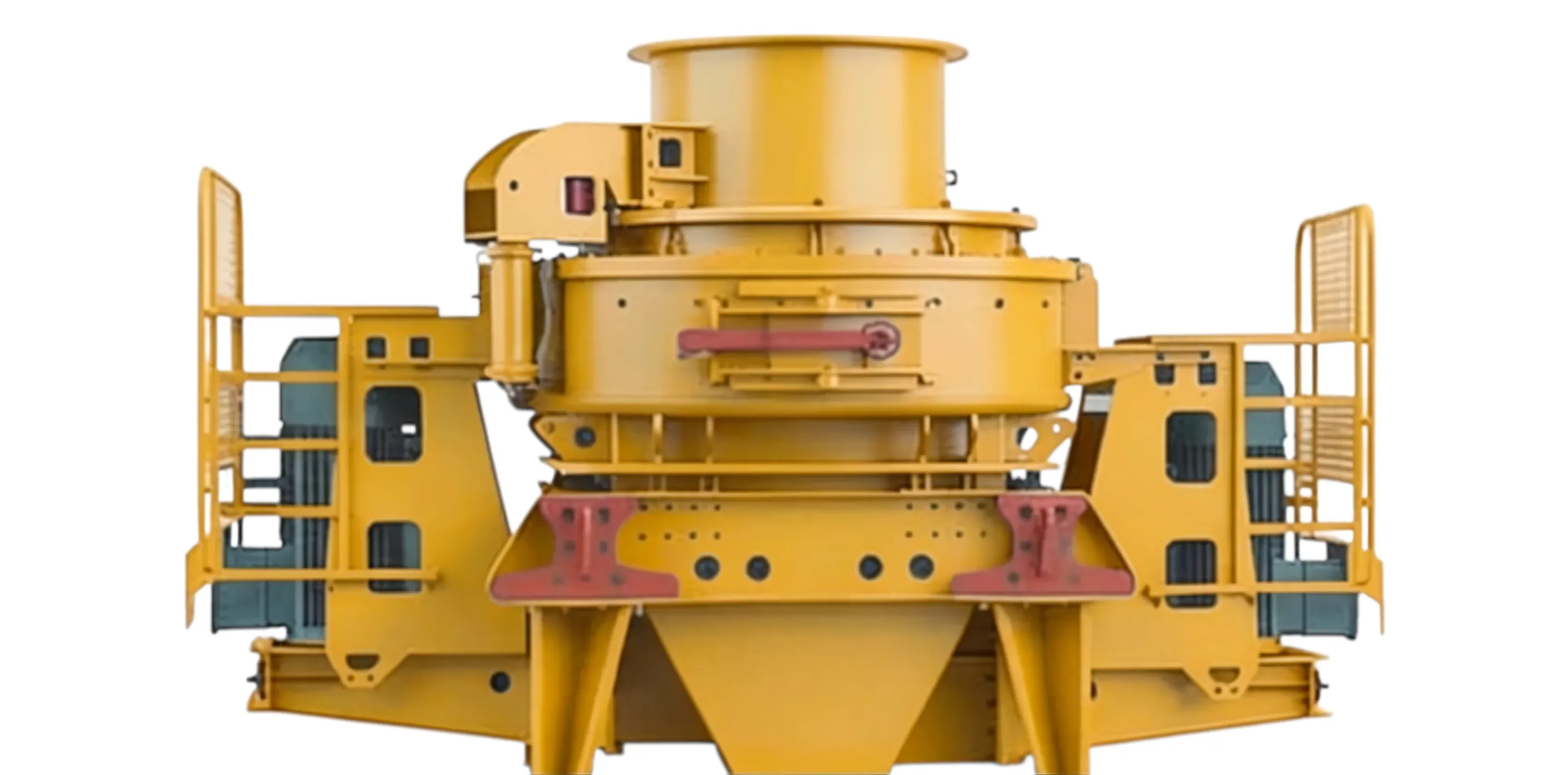
VSI Crushers
Vertical shaft impact for manufactured sand. Rotor tips, wear plates, and cavity liners for cubical particle shape.
Explore Parts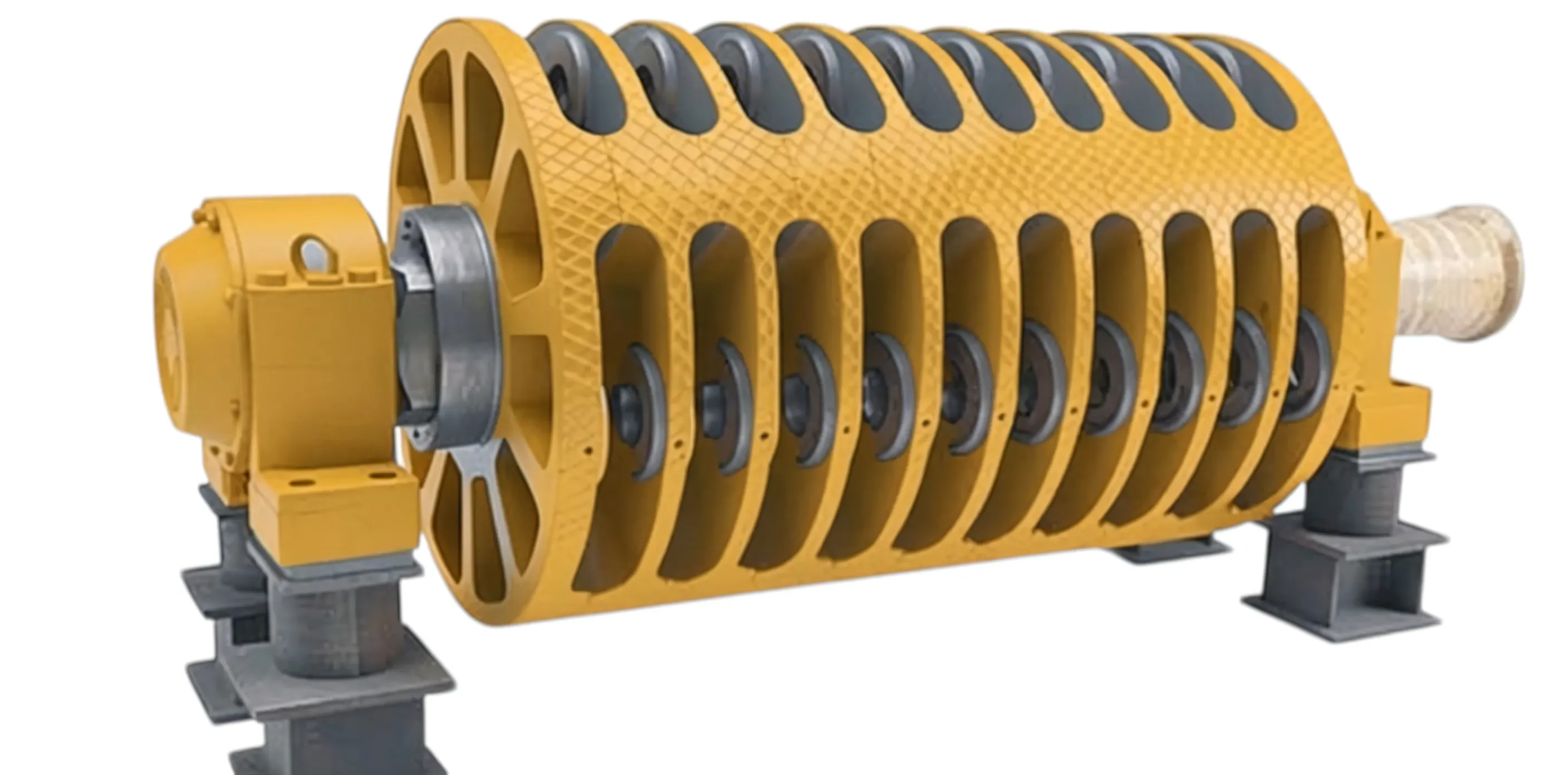
Shredder Crushers
Size reduction for cement and recycling. Hammers, grates, and impact plates for hammer mills and shredders.
Explore PartsCrusher Wear Parts: Metallurgy, Design, and Application Engineering
Crushers are the primary size-reduction machines in mining, aggregate, and recycling circuits, and their wear parts represent the single largest consumable cost in most comminution flowsheets. Aceros y Suministros manufactures replacement wear components for jaw crushers, cone crushers, gyratory crushers, horizontal-shaft impact (HSI) crushers, vertical-shaft impact (VSI) crushers, and hammer crushers. Each machine type imposes a distinct combination of compressive force, impact energy, and abrasive sliding that dictates the optimal alloy family. Our engineering group evaluates feed mineralogy, reduction ratio, throughput rate, and CSS before recommending a material specification.
Austenitic manganese steel remains the workhorse alloy for crushers that generate high compressive impact. Standard Mn13Cr2 (ASTM A128 Grade B-3) delivers excellent work-hardening behaviour, transforming from an as-cast hardness of approximately 200 BHN to a surface hardness exceeding 500 BHN under repeated impact. For applications requiring faster hardening response or higher initial hardness — such as fine-crushing cone liners operating at tight CSS — we offer Mn18Cr2 and Mn22Cr2 grades. The elevated manganese content shifts the strain-hardening curve, providing better wear resistance in low-impact, high-abrasion environments where standard Mn13 may not work-harden sufficiently.
High-chrome white iron is the alloy of choice for components that experience predominantly abrasive sliding with limited impact. Blow bars, VSI rotor tips, and certain hammer designs benefit from the eutectic M7C3 carbide network present in Cr15Mo3 (nominally 15 % Cr, 3 % Mo) and Cr27 (27 % Cr) irons, which achieve bulk hardness values of 58–63 HRC after heat treatment. The trade-off is reduced toughness: high-chrome castings are typically limited to applications where the single largest lump in the feed does not exceed a threshold that would cause catastrophic fracture. Our foundry controls solidification rates and inoculant additions to refine carbide spacing, which improves fracture toughness by 15–20 % compared with conventional high-chrome castings.
Beyond ferrous alloys, Aceros y Suministros integrates ceramic and cemented-carbide technologies into crusher wear parts. Alumina-zirconia ceramic tiles (1 500 HV) are brazed or mechanically retained in blow-bar bodies and VSI wear plates to extend service life by two to four times in silica-rich feeds. Tungsten-carbide inserts (WC-Co, 6 % binder, approximately 1 600 HV) are interference-fitted into VSI rotor tips and distributor plates for rock-on-iron applications processing highly abrasive manufactured sand. These composite solutions allow operators to maintain metal-matrix toughness at the structural core while presenting an ultra-hard wear surface to the feed stream.
Quality assurance underpins every crusher-part shipment. Each casting receives spectrometric chemical analysis, Brinell or Rockwell hardness verification, dimensional inspection against OEM tolerances, and — where specified — ultrasonic testing to ASTM A609 Level 2 or magnetic-particle inspection per ASTM E709. We maintain pattern inventories for more than 3 000 crusher-part numbers, enabling typical lead times of four to six weeks from order to dispatch. For critical-path shutdowns, expedited casting and heat-treatment schedules can reduce lead time to under three weeks.
Mill Wear Parts
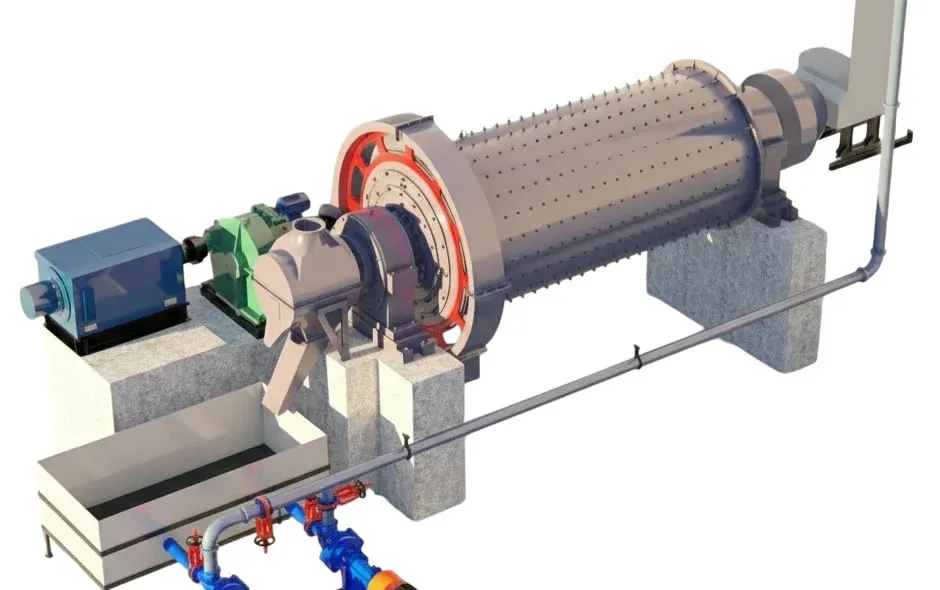
Ball Mills
Fine grinding for mineral processing. Shell liners, end liners, lifter bars, and grates for ore beneficiation.
Explore Parts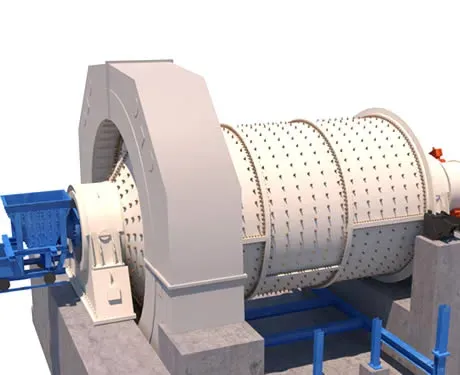
SAG Mills
Semi-autogenous grinding for mining. Heavy-duty shell liners, discharge grates, and pulp lifters for high-tonnage operations.
Explore Parts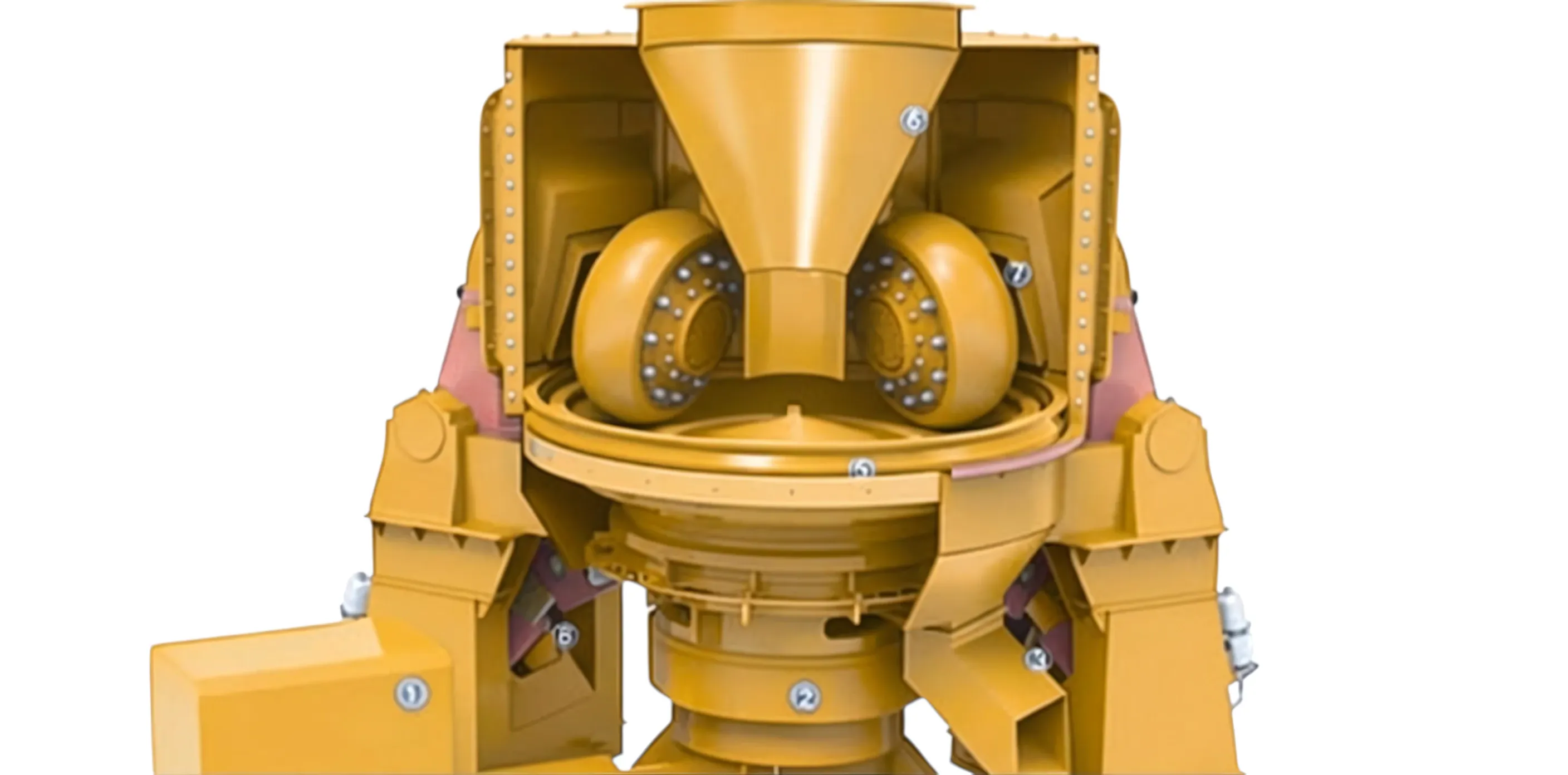
Vertical Roller Mills
Cement and raw material grinding. Grinding rollers, tables, and wear segments for energy-efficient milling.
Explore PartsGrinding Mill Liners and Components: Materials, Profiles, and Charge Dynamics
Grinding mills — semi-autogenous (SAG) mills, autogenous (AG) mills, and ball mills — are the largest energy consumers in mineral processing, often accounting for 40–60 % of a concentrator's total electrical load. Liner systems directly govern grinding efficiency by controlling charge motion, ball trajectory, and energy transfer from the rotating shell to the ore being ground. Aceros y Suministros manufactures shell liners, head liners, grate panels, discharge grates, pulp lifters, and feed-end components for mills up to 12.8 m (42 ft) diameter, using chrome-molybdenum steel, high-chrome white iron, and rubber-steel composite materials.
Chrome-moly steel is the dominant alloy for SAG and ball mill shell liners. Aceros y Suministros' standard liner grade contains 0.45–0.55 % C, 2.0–3.0 % Cr, and 0.3–0.5 % Mo, quenched and tempered to 325–375 BHN. This microstructure — predominantly tempered martensite with finely dispersed alloy carbides — provides an effective combination of wear resistance and impact toughness (Charpy V-notch values of 20–30 J at ambient temperature). For mills processing highly abrasive gold or copper ore, we offer a higher-chrome variant (5.0 % Cr, 0.5 % Mo) at 375–425 BHN that reduces liner consumption by 15–20 % but requires more careful installation to avoid cracking at bolt holes.
Liner profile design governs the trajectory of the grinding charge. Lifter bars (or lifter rows) protrude from the shell surface and raise the charge to a cataracting or cascading trajectory depending on their face angle, height, and spacing. Aceros y Suministros uses discrete-element-method (DEM) simulation to design liner profiles before committing to pattern manufacture. Key parameters include lifter face angle (typically 15–30 degrees from radial for cataracting action), lifter height-to-spacing ratio (H/S ratios of 0.3–0.5 for SAG mills, 0.2–0.3 for ball mills), and Hi-Lo lifter sequencing — alternating high and low lifter rows that promote a wider distribution of impact points and more uniform liner wear.
Rubber-steel composite liners combine a structural steel insert with a vulcanised rubber shell. This construction reduces liner weight by 40–50 % compared with all-steel designs, which translates to faster installation and lower crane requirements — a significant advantage in remote mine sites with limited lifting capacity. Aceros y Suministros supplies rubber-steel composite lifter bars for SAG mills and full rubber shell liners for ball mills in secondary and regrind service where impact energy is low enough that rubber provides adequate wear life. The rubber dampens noise levels by 10–15 dB and also protects mill shells from direct metal-to-metal contact that can cause shell fatigue cracking over long campaigns.
Grate panels and pulp lifters manage the discharge of ground slurry from SAG and AG mills. Grate-panel aperture size controls the transfer size between the SAG mill and downstream ball mills; typical apertures range from 10 mm to 30 mm depending on the circuit configuration. Aceros y Suministros casts grate panels in chrome-moly steel with wear-resistant inserts around the aperture perimeters, where erosive slurry flow is concentrated. Pulp lifters are fabricated from wear-resistant steel plate and lined with rubber or chrome-moly wear plates. Our pulp-lifter designs include both radial and curved configurations, with the curved design offering improved slurry transport efficiency and reduced back-flow (pebble recycling) that can choke mill discharge.
Cement Plant Parts
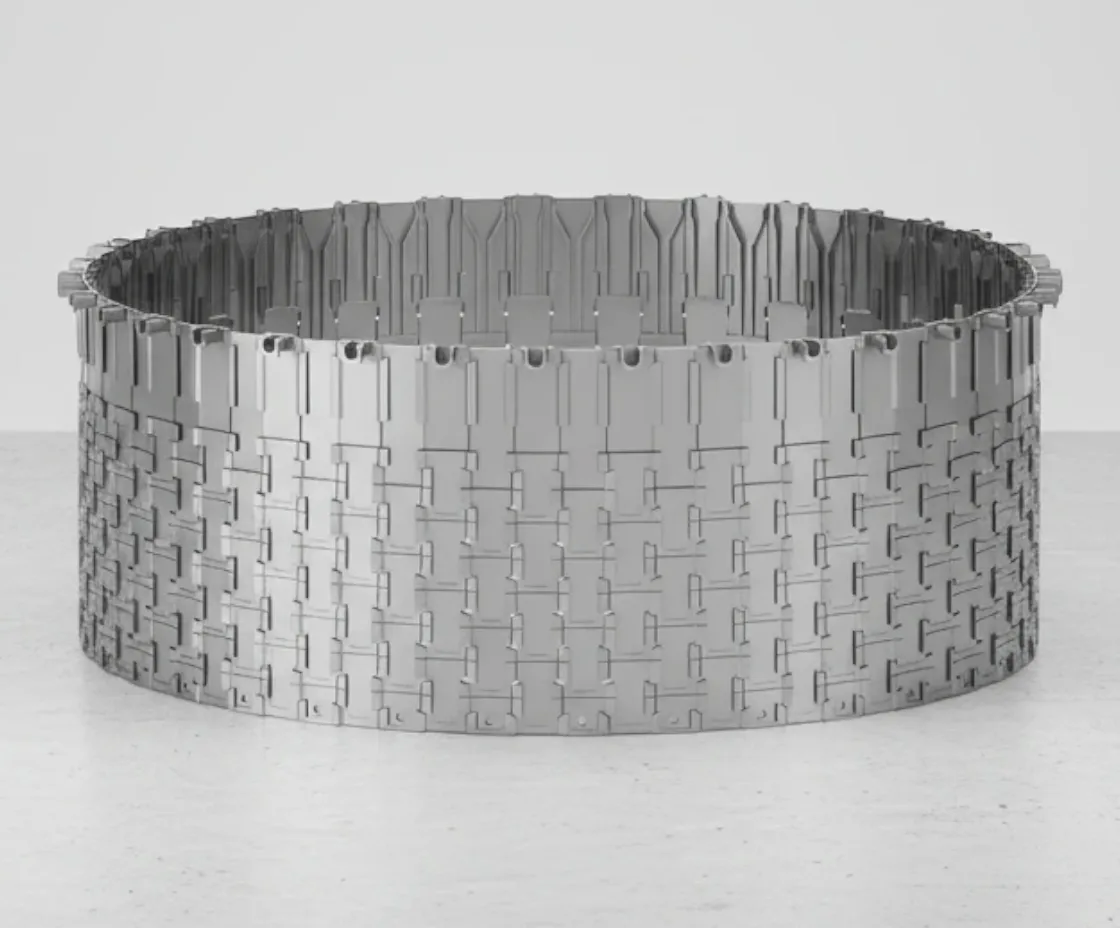
Preheater Parts
Cyclone and calciner components. Dip tubes, splash plates, and refractory anchors for raw meal preheating.
Explore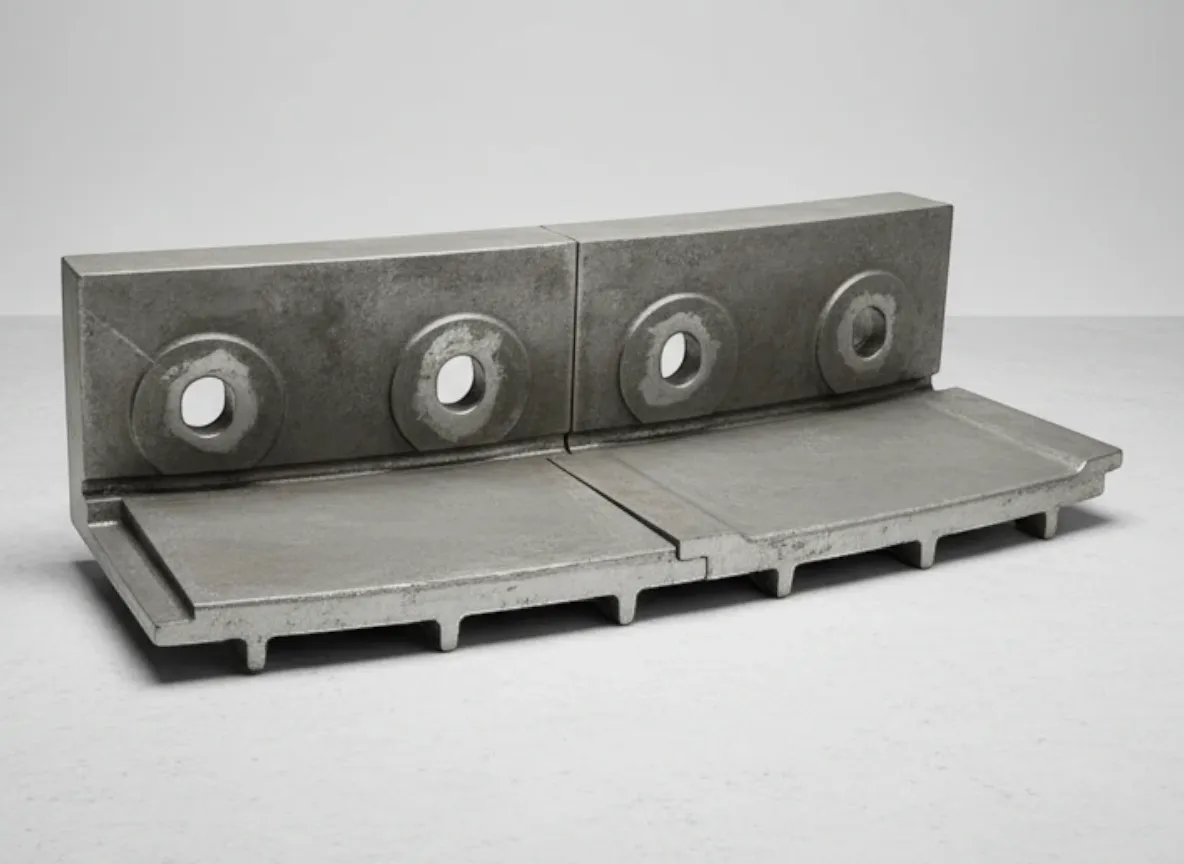
Rotary Kiln Parts
Kiln shell and internal parts. Kiln segments, tyre rings, support rollers for clinker production.
Explore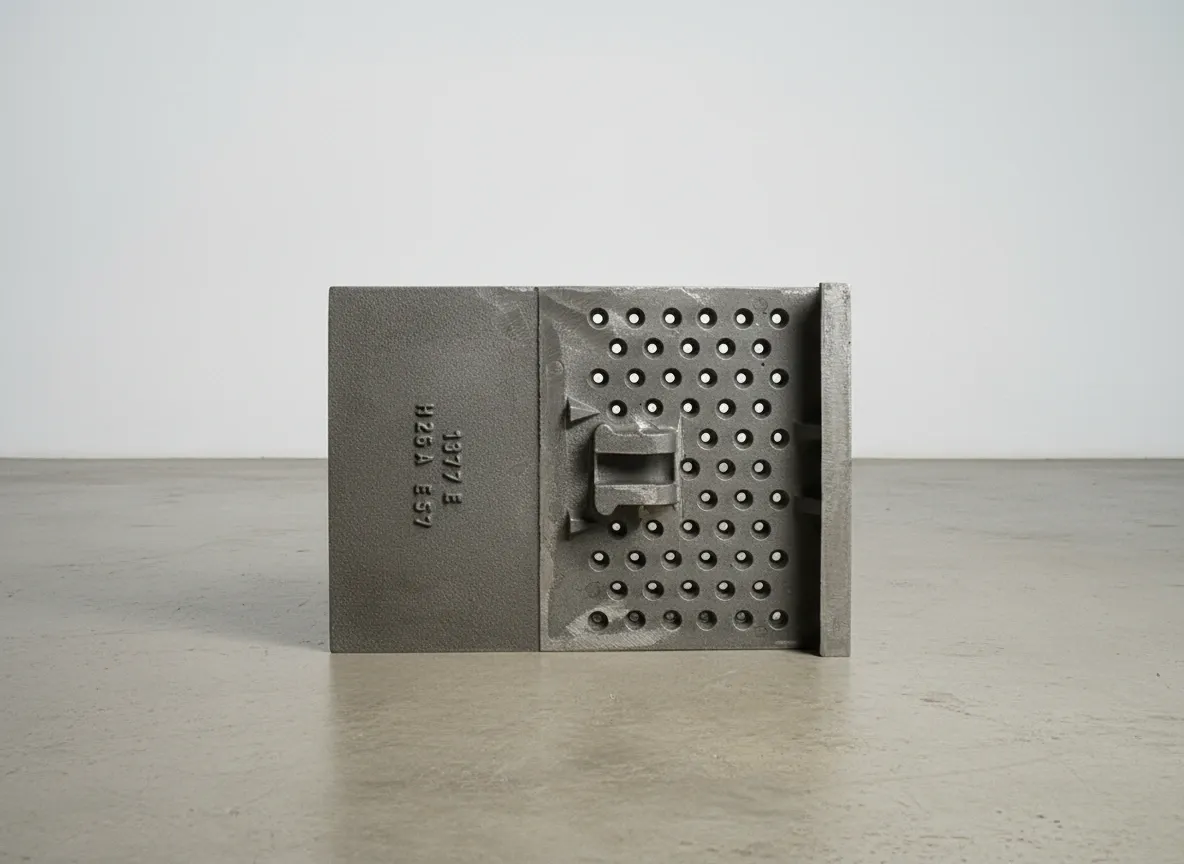
Clinker Cooler Parts
Grate cooler components. Cooler grates, crossbars, and side plates for rapid clinker cooling.
Explore Clinker Crusher Parts
Hammer crushers for clinker. Hammers, impact bars, and wear plates for clinker size reduction.
Explore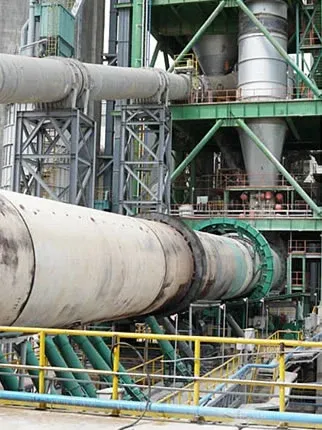
Other Cement Parts
Custom cement castings: mill liners, separator vanes and conveyor plates in heat-resistant alloys. Send drawings.
ExploreCement Plant Spare Parts: Heat-Resistant Alloys for the Pyro-Processing Line
The pyro-processing line is the thermal heart of a cement plant, converting raw meal into clinker through a sequence of preheating, calcining, and sintering stages where gas temperatures range from 350 degrees C at the top of the preheater tower to over 1 450 degrees C in the burning zone of the rotary kiln. Every component in this circuit — from cyclone dip tubes to kiln nose castings to clinker-cooler grate plates — must withstand some combination of high temperature, thermal cycling, abrasive particulate flow, and corrosive gas-phase alkali attack. Aceros y Suministros manufactures castings for the full pyro-processing line in heat-resistant alloys selected to match the specific thermal and mechanical conditions at each installation point.
Preheater cyclone components operate at gas temperatures of 350–880 degrees C and experience continuous erosion from raw meal carried in the gas stream at velocities of 15–25 m/s. Dip tubes, vortex finders, and splash plates are cast in heat-resistant chromium-nickel austenitic alloys. Aceros y Suministros' standard preheater alloy is a 25Cr-12Ni grade (ASTM A297 Grade HH) that maintains oxidation resistance up to 1 000 degrees C and resists sulphate- and chloride-induced hot corrosion. For lower cyclone stages where temperatures approach 900 degrees C and alkali condensation is more aggressive, we supply 25Cr-20Ni (HK-30) castings with controlled silicon content (1.5–2.0 % Si) to enhance resistance to alkali sulphate penetration along grain boundaries.
Kiln nose castings and kiln-hood components face the most extreme thermal conditions in the cement plant. The kiln nose ring and dam ring are positioned at the interface between the rotary kiln and the clinker cooler, where gas temperatures exceed 1 350 degrees C and the clinker bed temperature reaches 1 450 degrees C. Aceros y Suministros casts these components in HK-40 alloy (25Cr-20Ni, 0.40 % C) or in a proprietary 25Cr-35Ni-Nb grade with 1.0–1.5 % niobium that forms NbC precipitates to stabilise the austenite matrix against sigma-phase embrittlement during prolonged service above 900 degrees C. All kiln nose castings are supplied in the as-cast condition without post-weld repair to preserve microstructural integrity.
Clinker-cooler grate plates must remove heat from 1 400-degree C clinker while withstanding abrasion from tumbling clinker nodules and thermal fatigue from the continuous air-quench cycle. Aceros y Suministros manufactures grate plates in a 25Cr-12Ni heat-resistant grade for standard reciprocating grate coolers, and in a 28Cr-15Ni grade with 2.0 % tungsten for high-throughput modern coolers where grate-plate temperatures routinely exceed 1 100 degrees C. Grate plates are investment-cast or sand-cast with integral air nozzles sized to the cooler's specific air-distribution requirements. Each plate is hardness tested (typically 200–250 BHN at ambient, maintaining structural stability at elevated temperature) and dimensionally verified against the OEM slot pattern to ensure interchangeability.
Riser ducts, tertiary-air ducts, and kiln-inlet chambers are subject to heavy particulate erosion at moderate temperatures (600–900 degrees C). Aceros y Suministros supplies these areas with high-chrome overlay wear plates: a mild-steel substrate with a weld-deposited chromium-carbide overlay achieving 58–63 HRC. The overlay microstructure consists of primary Cr7C3 carbides in a martensitic matrix, providing outstanding sliding-abrasion resistance. For geometrically complex duct transitions, we supply pre-formed overlay plates laser-cut and rolled to match the duct curvature, enabling bolt-on installation that eliminates field welding. Standard overlay thickness is 8–10 mm on a 6–8 mm substrate, providing 3 000–5 000 hours of service depending on dust loading and velocity.
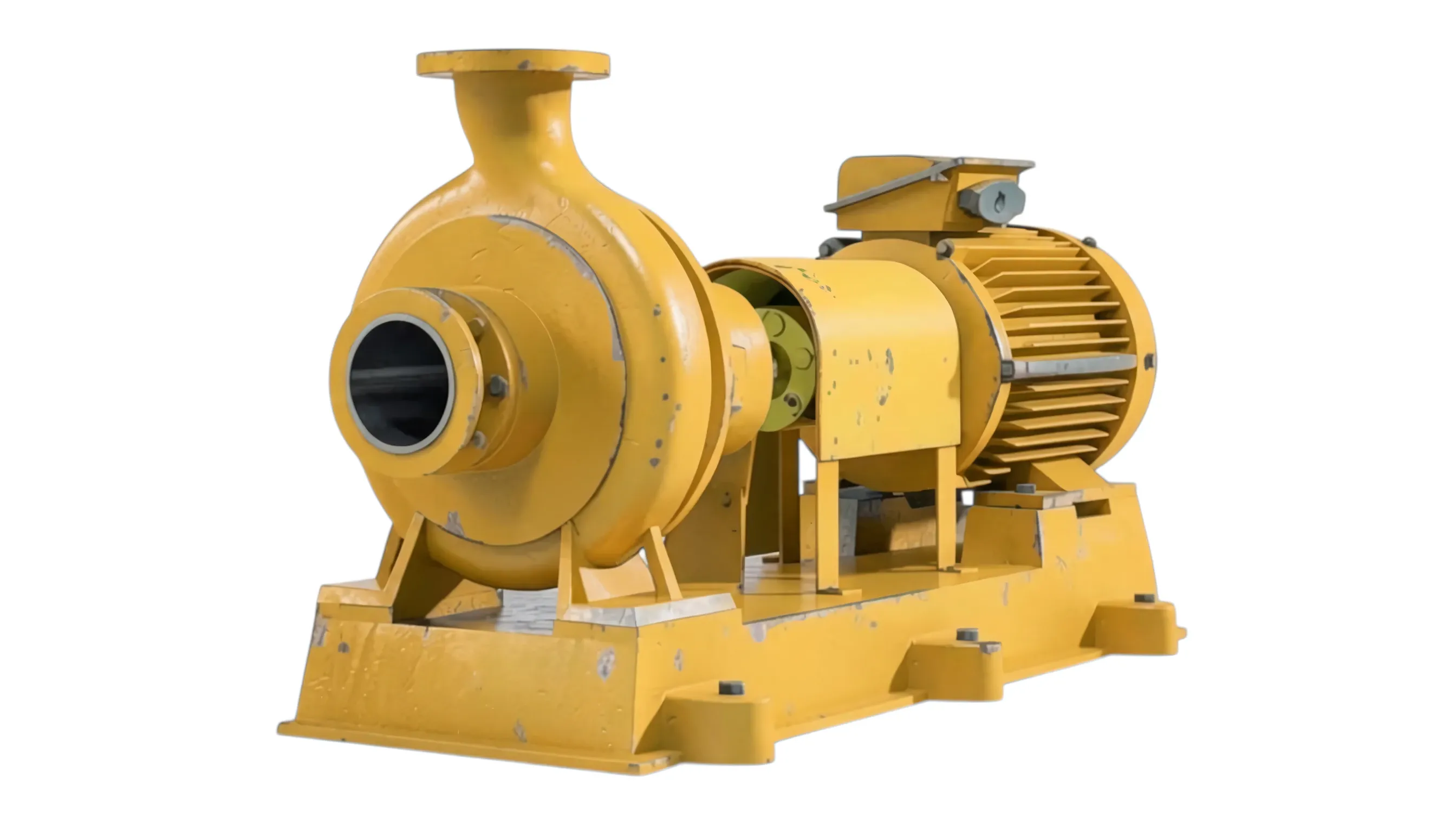
Slurry Pump Parts
High-chrome pump components engineered for abrasive slurry transport in mining and mineral processing applications. Impellers, volutes, and throatbushes with extended wear life.
- High-chrome white iron construction
- OEM-compatible dimensions
- Extended service life in abrasive conditions
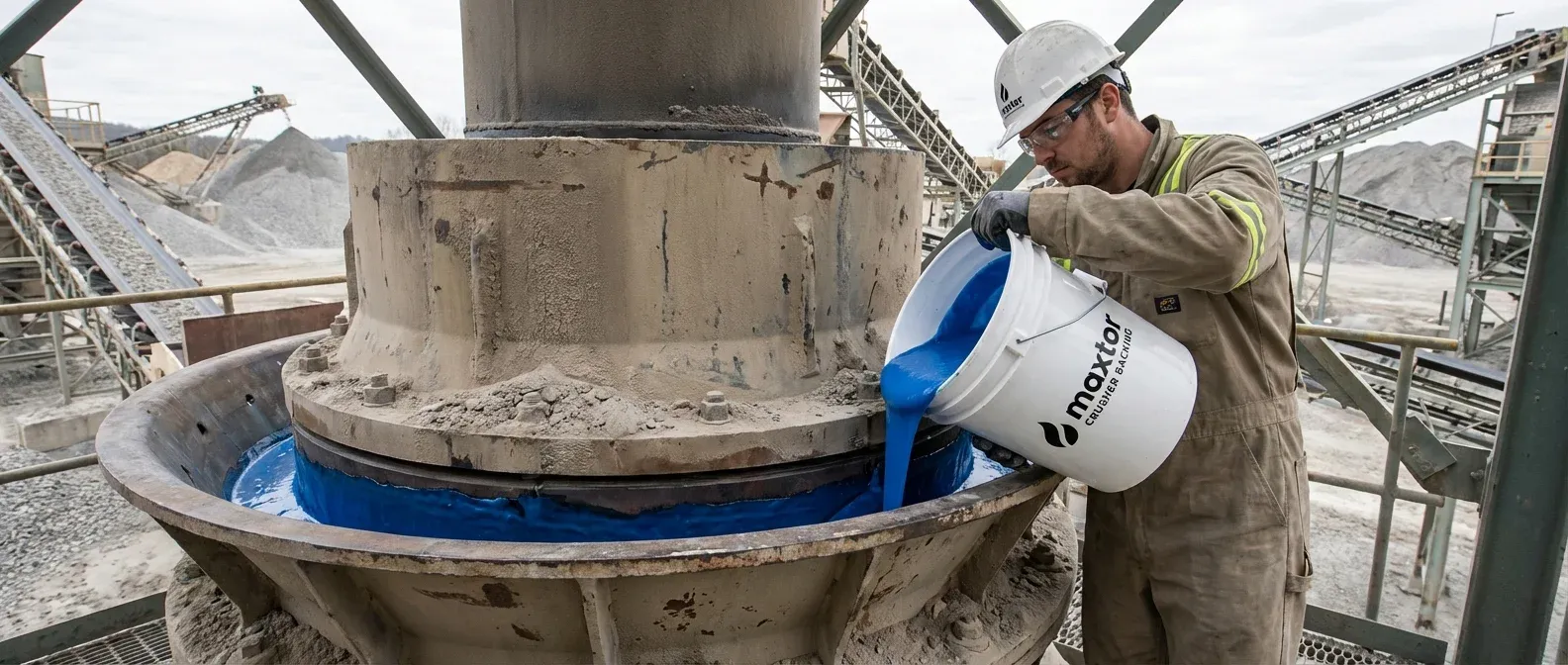
Crusher Backing
Two-part epoxy backing compound for cone and gyratory crusher liners. It fills the gap between the wear part and the frame, spreads the crushing load and stops the liner from moving.
View Crusher BackingFeatured Products
Our most popular wear parts with proven performance in demanding applications.
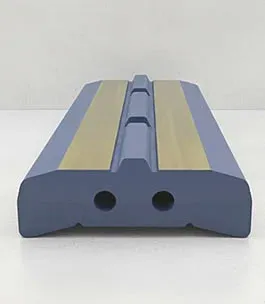
Blow Bars
Martensitic, high-chrome, and ceramic insert blow bars for HSI crushers.
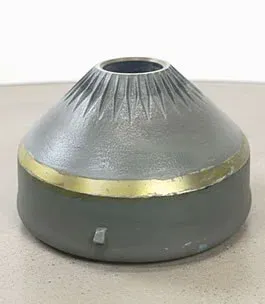
Cone Liners
Mantles and concaves in Mn13-Mn22 with optional TiC reinforcement.
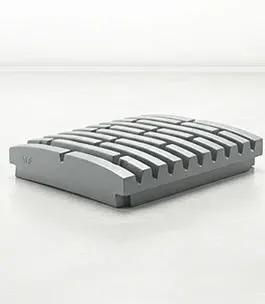
Jaw Plates
Fixed and movable jaw dies with optimized corrugation profiles.
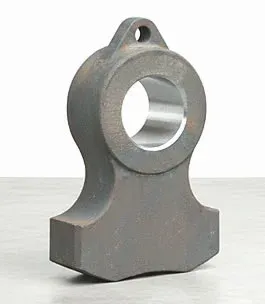
Shredder Hammers
Balanced hammer systems for cement, coal, and recycling applications.
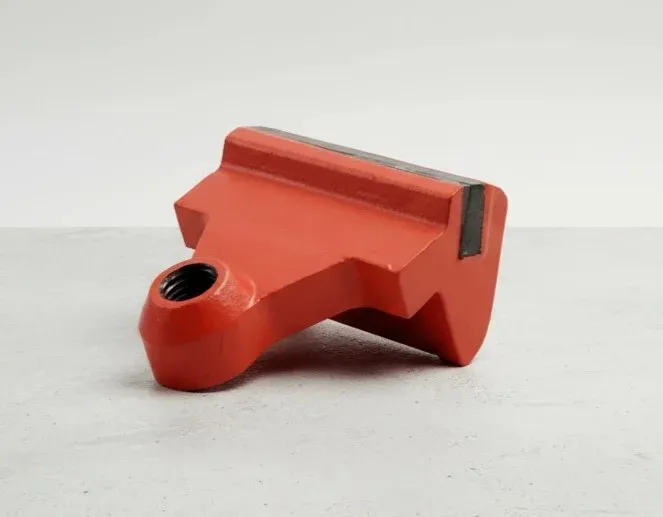
VSI Rotor Tips
Tungsten carbide and ceramic tips for manufactured sand production.
Frequently Asked Questions
Find answers to common questions about our crusher wear parts, manufacturing capabilities, and ordering process. Can't find what you're looking for?
Contact Our TeamWhat materials are used in crusher wear parts?
Are Aceros y Suministros parts compatible with OEM equipment?
How long does shipping take?
Need Help Choosing?
With thousands of part numbers across crushers, mills, cement plants, and pumps, finding the right component can be challenging. Our application engineers are here to help with material selection, OEM cross-referencing, and technical recommendations.
- OEM part number cross-reference
- Material selection for your application
- Custom manufacturing capabilities
Quick Stats
500+
OEM Models
50+
Countries
35+
Years Experience
24h
Quote Response
Equipment brands we support:
Metso • Sandvik • Terex • FLSmidth • Kleemann • Telsmith • Hazemag